
Liquid Lab
Pour layered liquids between tubes until each vessel contains a single formula or valid compound.
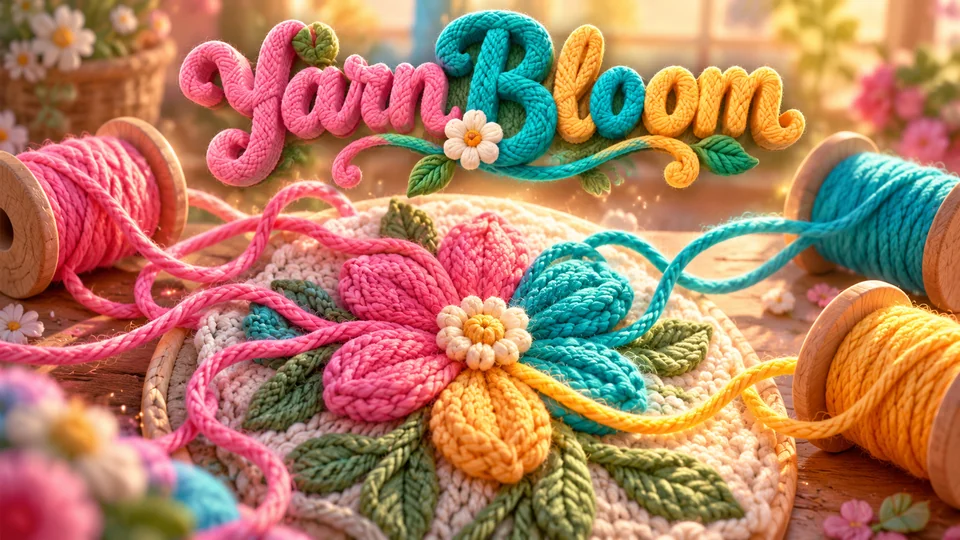
Yarn Bloom
Pull colored yarn strands from tangled objects and route them into matching spools to reveal knitted art.
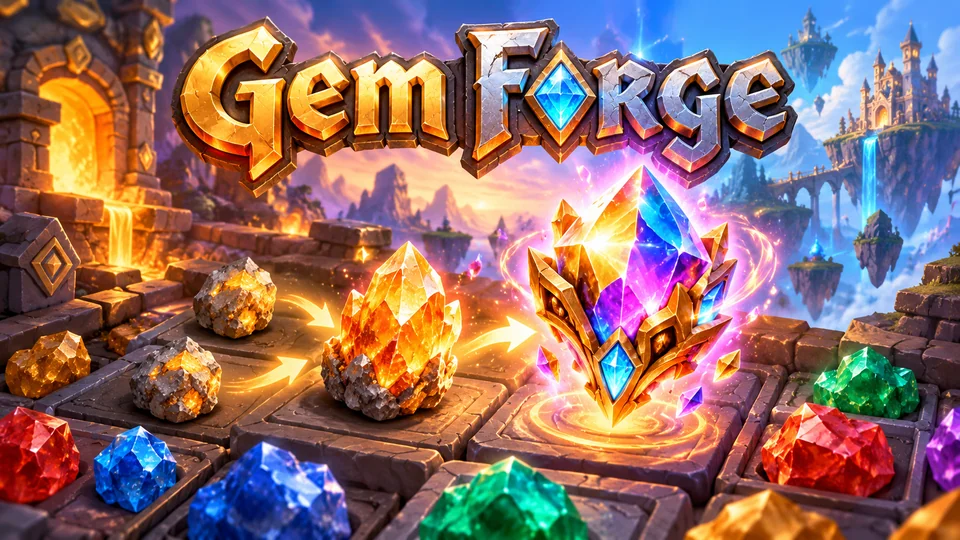
Gem Forge
Merge minerals into crystals, gemstones and magical artifacts that alter board behavior.
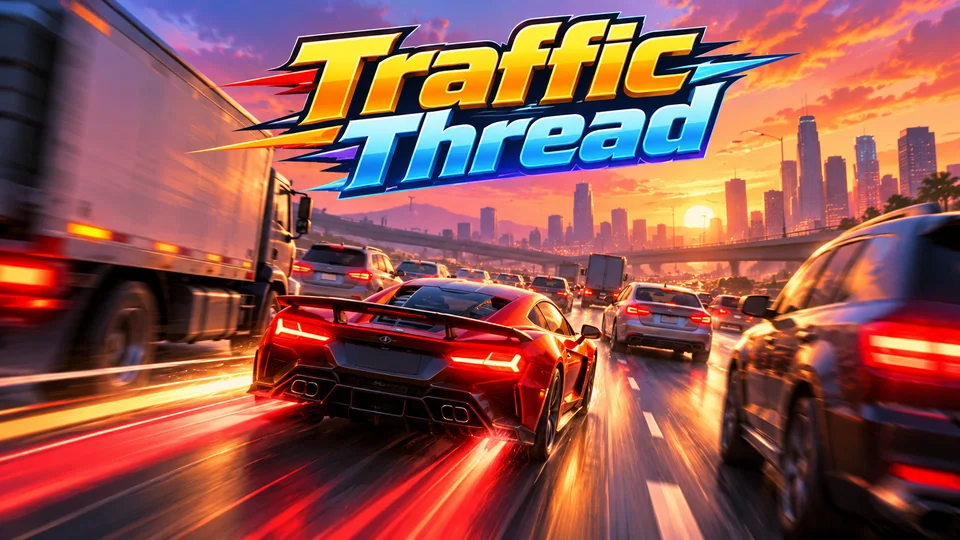
Traffic Thread
Weave through dense highway traffic; near misses fill boost and multiply score.
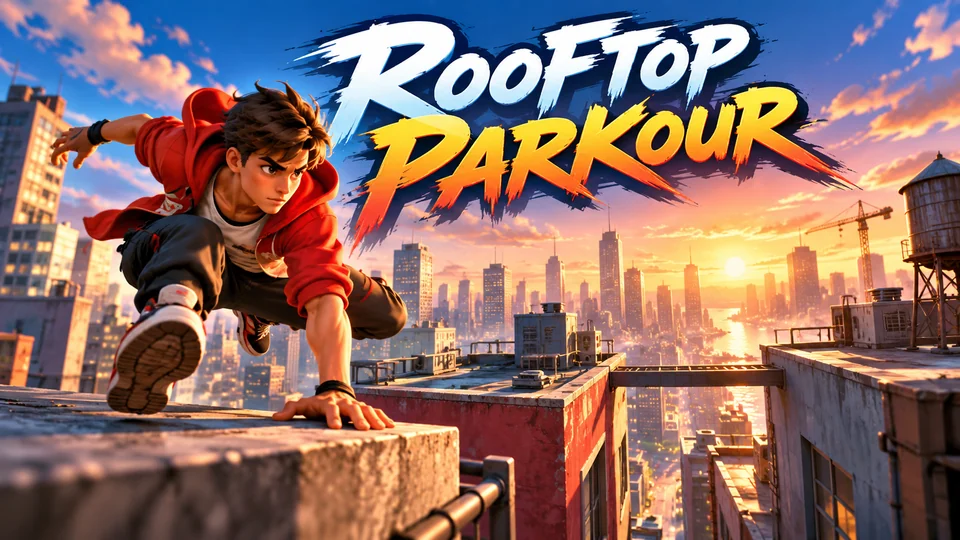
Rooftop Parkour
Maintain speed through a city by vaulting, jumping, sliding and wall-running across rooftops.
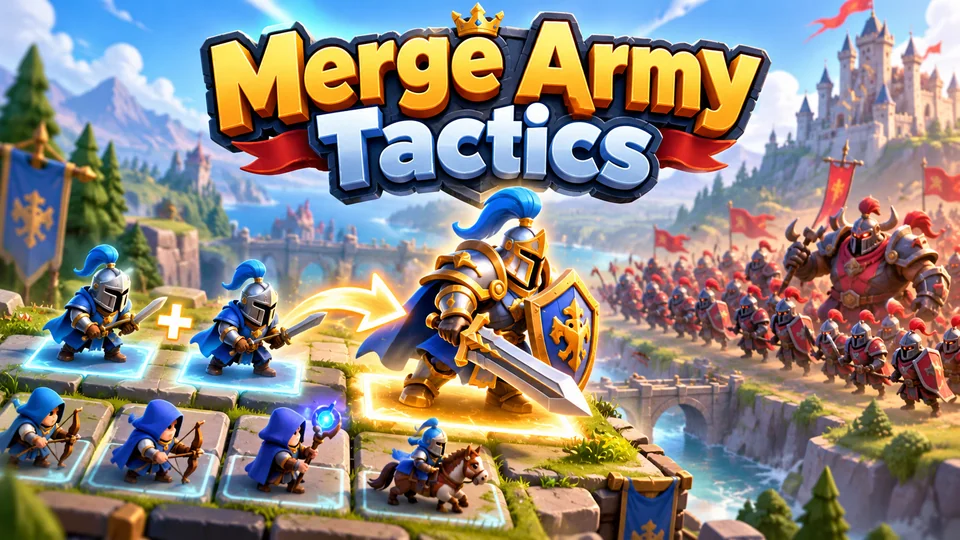
Merge Army Tactics
Merge identical units into stronger versions and arrange your formation before an automatic battle.
The six games above show the range: three portrait puzzles, a portrait merge battler and two 3D games that download only 300 and 330 KB. Below are the mobile specs every game shares, how we test them and what to check before you put one in front of phone players. To see the whole catalog with genre and engine filters, browse all 50 HTML5 games.
Mobile specs of our HTML5 mobile game source code
| Spec | What our games do |
|---|---|
| Input | Touch, mouse, keyboard and gamepad in every game |
| Orientation | 13 portrait-only, 27 landscape-only, 10 play either way |
| Initial download | 300–750 KB before play, median about 560 KB |
| Screen density | Renders at the device pixel ratio, with a cap to protect frame rate |
| Notches | Reads the screen's safe-area insets |
| Saves | Progress stored on the device: IndexedDB, falling back to localStorage |
| Languages | Most ship in English, French, Spanish, German, Portuguese and Arabic (right-to-left) |
| Hosting | Static build: no backend or database to run |
| Testing | Playwright end-to-end tests on emulated Pixel 7 and iPhone 15 profiles, plus desktop browsers |
Each product page lists the controls, orientation and languages for that game, and every game has a playable demo you can open on your own phone before you buy.
The six games above, by mobile spec
| Game | Engine | Orientation | Initial download | Game type |
|---|---|---|---|---|
| Liquid Lab | Phaser 4.2.1 | Portrait or landscape | 520 KB | Water-sort puzzle with hints and undo |
| Yarn Bloom | Phaser 4.2.1 | Portrait | 500 KB | Cozy sorting puzzle, colorblind-friendly |
| Gem Forge | Phaser 4.2.1 | Portrait | 563 KB | 2048-style merge and crafting |
| Traffic Thread | Three.js | Portrait or landscape | 300 KB | Endless 3D highway driving with swipe controls |
| Rooftop Parkour | Three.js | Landscape | 330 KB | One-thumb 3D parkour runner |
| Merge Army Tactics | Phaser 4.2.1 | Portrait | 650 KB | Merge auto-battler |
Touch, mouse, keyboard and gamepad in one input layer
Every game binds its gameplay to named actions, such as primary, pause or move, rather than to raw keys or taps. A shared input package maps each device to those actions, so a tap, a click, a key press and a gamepad button can all trigger the same move. Where a mechanic needs it, touch players get virtual sticks and on-screen buttons. Pointer input follows the browser's Pointer Events model, and controllers use the Gamepad API.
On phones this pays off twice. One-handed games stay one-handed: Rooftop Parkour is built for one thumb, and Traffic Thread and Penalty Clash play with swipes. And when you change a control, you change one mapping instead of patching touch handlers in every scene.
Portrait or landscape: choose by how people hold the phone
23 of our 50 games support portrait: 13 are portrait-only and 10 play either way. The other 27 are landscape-only.
- Portrait suits one-handed, short sessions: sorting, merge and puzzle games such as Yarn Bloom, Gem Forge, Hexa Garden Stack and Merge Army Tactics. 12 of the 16 puzzle games play in portrait.
- Landscape suits games that need a wide view: racing, arena action, tycoon and strategy maps such as Drift District, Neon Survivor and Theme Park Manager.
- Either way: ten games, including Liquid Lab, Traffic Thread and Bakery Blast, rotate with the phone.
If most of your players arrive on phones from social links or messaging apps, start with portrait or dual-orientation games. If they also play on tablets and desktops, landscape-only games work well and show more of the board.
Small downloads for mobile data
A player downloads 300–750 KB before a game starts, with a median of about 560 KB, as estimated in each game's manifest. The nine lightest games are all built on Three.js: Traffic Thread (300 KB), Drift District and Mini Royale (325 KB each) and Rooftop Parkour (330 KB) are among them. The heaviest is Cozy Farm at 750 KB.
Sharp on high-DPI screens, clear of notches
The shared game shell reads the screen's device pixel ratio, so art and text stay sharp on dense phone screens, and caps it so very dense displays don't cost frame rate. It also reads the safe-area insets that browsers expose through CSS env(), so the interface can keep clear of notches and rounded corners.
Local saves and six languages
Progress saves on the device, in IndexedDB where the browser allows it and localStorage otherwise. Players need no account, and you run no save server. Clearing the browser's site data resets progress.
Most games ship in six languages, including Arabic with a right-to-left layout. Host parameters in the URL set the starting state: ?lang=es&mute=1 opens the Spanish version muted, and quality=low asks for the lighter rendering setting on older phones.
How we test mobile games before they're sold
- Clean-room check. Every source package is unpacked outside our repository and must install from its frozen lockfile, build, typecheck and pass its own tests before it goes on sale. All 50 passed in October 2026.
- End-to-end tests. Playwright runs each game on desktop Chromium, Firefox and WebKit, plus emulated Pixel 7 and iPhone 15 profiles using Playwright's device emulation.
Android HTML5 game source code: from browser to app
The games are standard web builds, so players can open them from a link in a mobile browser. To list one on Google Play, you wrap the static build. Capacitor packages a web build into a native Android or iOS project, and a Trusted Web Activity opens your hosted game full-screen from an Android app. Our guide to turning an HTML5 game into an Android app walks through both routes.
The source package doesn't include an app project, so budget time for the wrapper, the store listing and app review. For the wider picture, from engines to performance, read HTML5 mobile game development.
License notes for mobile releases
- Standard covers one end product, yours or one named client's, with one production web deployment plus staging. Reskinning, rebranding and monetizing are allowed.
- Extended covers up to 5 end products, including client work, or running the game on up to 3 portal domains your company owns.
Planning a web version and an app, or several branded apps from one game? Count your end products before you choose, and read the license comparison. The terms are drafts until legal review. Each license is one price per game, paid once, with no royalties: see pricing, or build a bundle for a volume discount.
Free HTML5 mobile game templates vs a finished game
If you want to learn, our free HTML game code pages give you single-file mini-games under the MIT license, with touch or swipe controls and step-by-step tutorials. They teach the loop, input and scaling in a few hundred lines.
A game you put in front of paying players or advertisers needs more: levels, saves, settings, orientation handling, translations, tests and documentation. That is what each of our source packages contains, ready to rebrand.
Browse mobile-ready HTML5 games
Frequently asked questions
Do all of your HTML5 games work on mobile?
Yes. All 50 support touch alongside mouse, keyboard and gamepad, and each runs in portrait, landscape or both. Every product page lists that game's orientation and languages, and you can play its demo on your phone before buying.
Can I turn this source code into an Android app?
Yes. The build is static HTML, JavaScript and assets, which wrapper tools such as Capacitor or a Trusted Web Activity can package for Google Play. The package doesn't include an app project, and our tests run in browsers rather than inside app wrappers, so test the wrapped build on real devices. Check the license scope for your app release first.
Which HTML5 mobile game templates play in portrait?
23 of our 50 games. 13 are portrait-only, for example Yarn Bloom, Gem Forge, Pocket Planet Merge and Merge Army Tactics, and 10 play either way, for example Liquid Lab, Traffic Thread and Bakery Blast.
How big are the games to download on a phone?
Between 300 and 750 KB before play, with a median of about 560 KB. The nine lightest games are 3D Three.js games of 400 KB or less; the heaviest is Cozy Farm at 750 KB.
Were the games tested on real iPhones and Android phones?
No. Our automated tests use Playwright's emulated Pixel 7 and iPhone 15 profiles plus desktop Chromium, Firefox and WebKit. Emulation is not a real device, so try the demos on your own phones and test your build on your target devices before launch.
Are there free HTML5 games for mobile with code templates?
Yes. The free HTML game code section has complete one-file games under the MIT license, with touch controls and tutorials. They're good for learning and prototypes; our paid games are for launching a finished product.