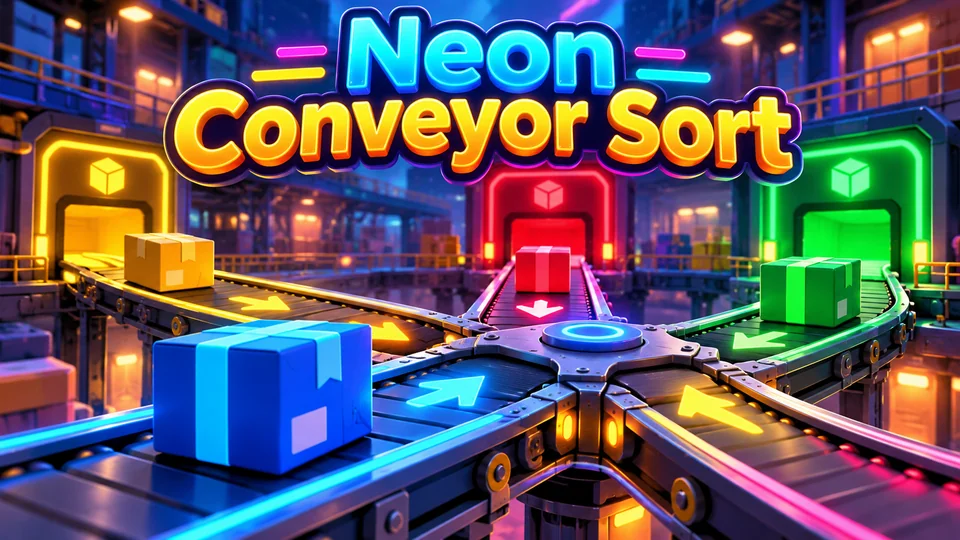
Neon Conveyor Sort
Route moving packages through junctions so each reaches its matching bay.
2D games built on Phaser 4.2.1, with TypeScript source and the shared platform packages each game uses. We don't claim compatibility with Phaser versions we haven't tested.
45 games in this collection
Route moving packages through junctions so each reaches its matching bay.
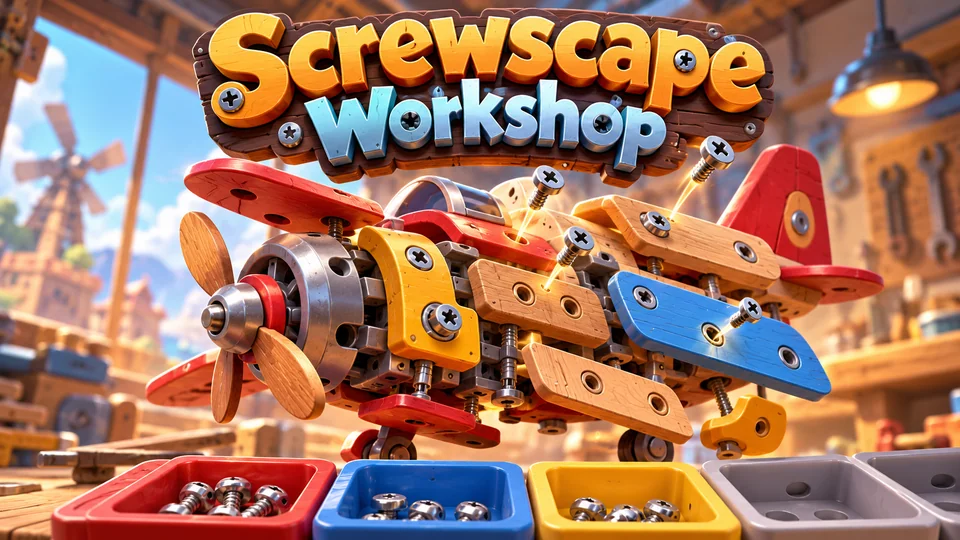
Remove screws in the correct order so layered mechanical parts fall away without overfilling limited screw trays.
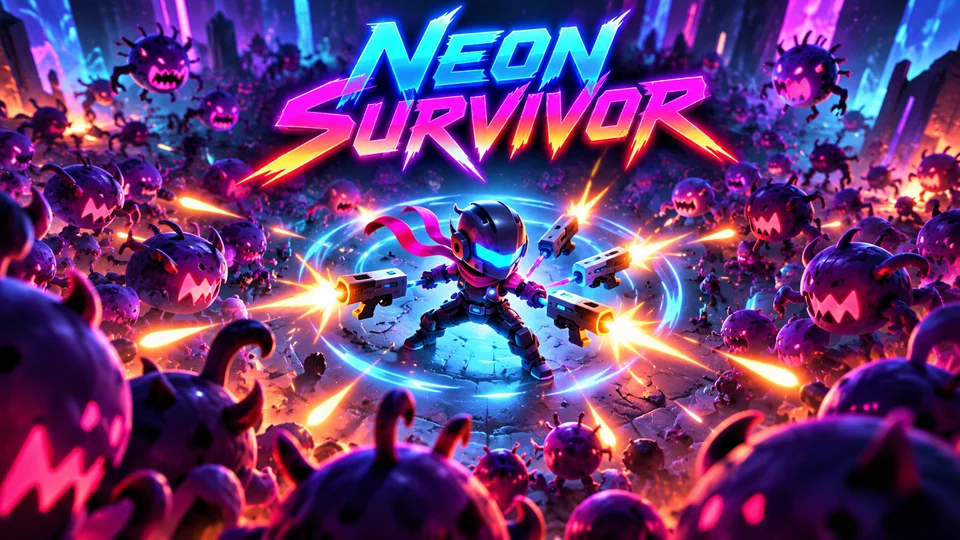
Survive enemy swarms while auto-attacking; choose one of three upgrades at each level-up to create emergent builds.
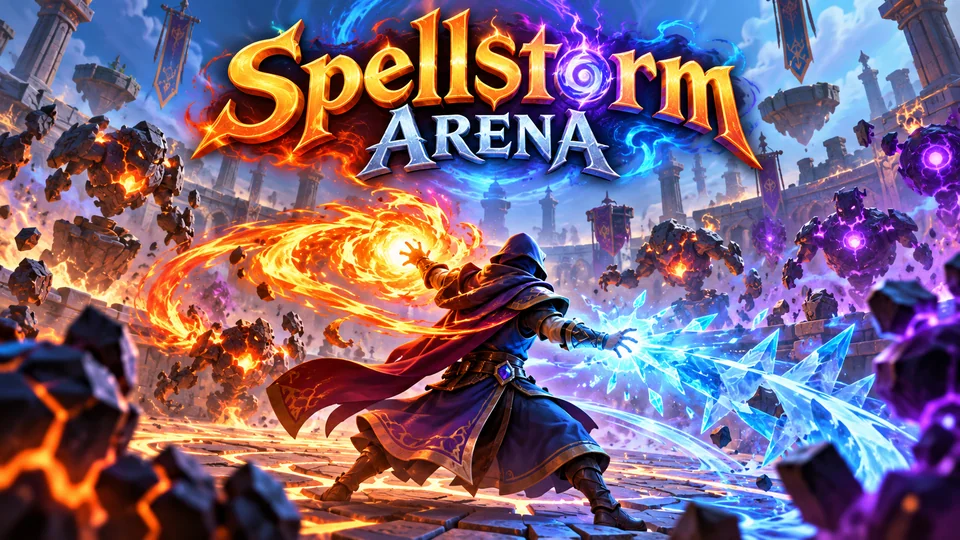
Survive magical arenas and combine elemental spells into powerful synergies.
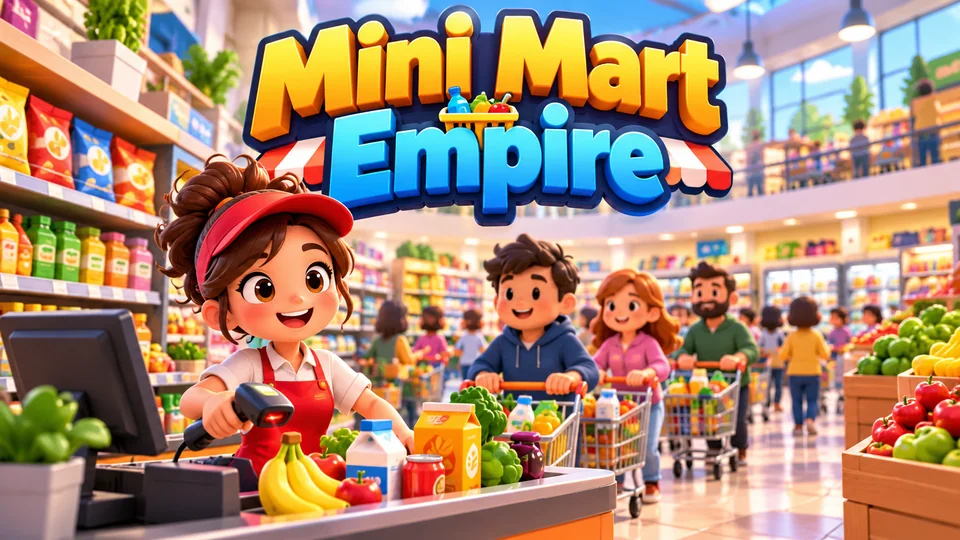
Start with one shelf and checkout, restock products, serve shoppers and expand into a busy supermarket.
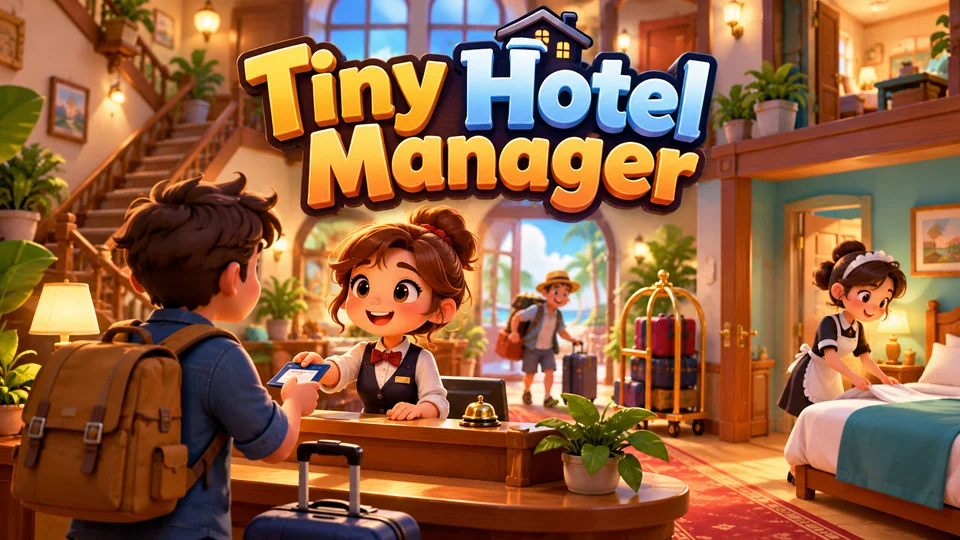
Operate a tiny hotel by checking in guests, cleaning rooms and expanding services.
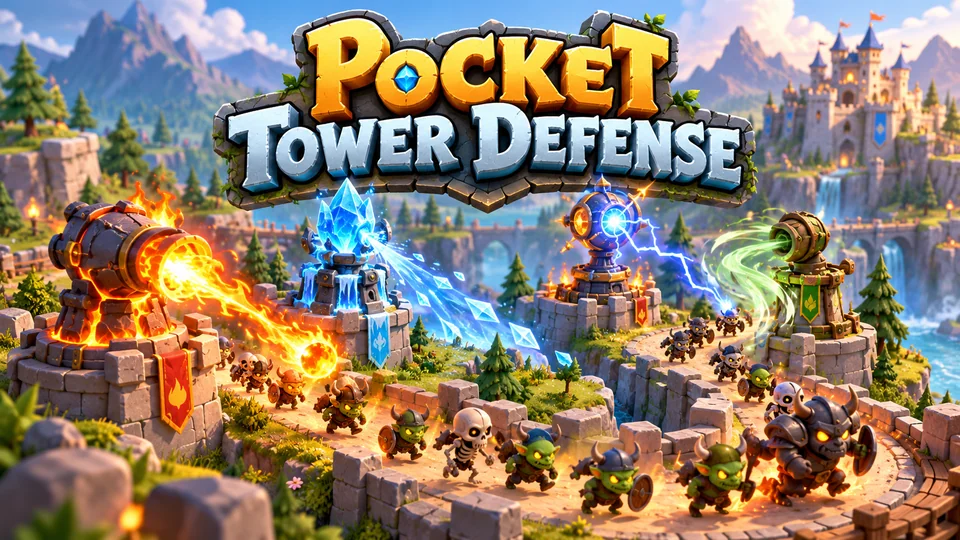
Defend compact lanes with repositionable towers and elemental combinations.
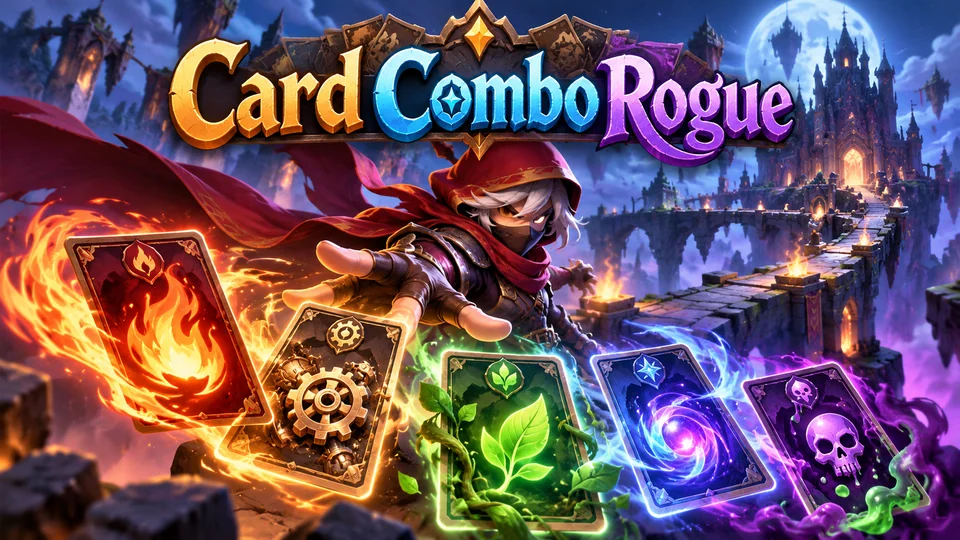
Build a temporary deck during each run and exploit tag-based synergies across fire, machine, nature, magic and poison cards.
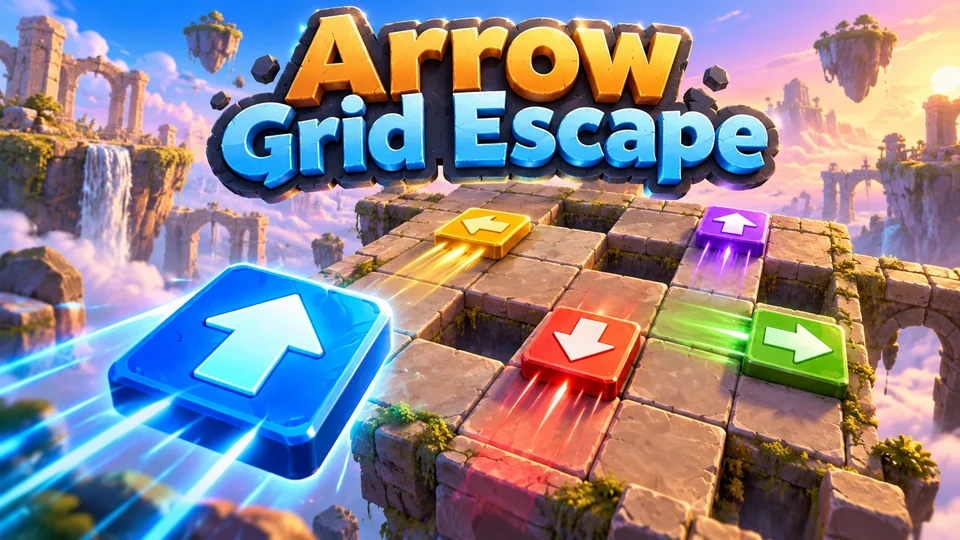
Clear a board by launching directional arrow tiles without letting them collide or trap one another.
Pull colored yarn strands from tangled objects and route them into matching spools to reveal knitted art.
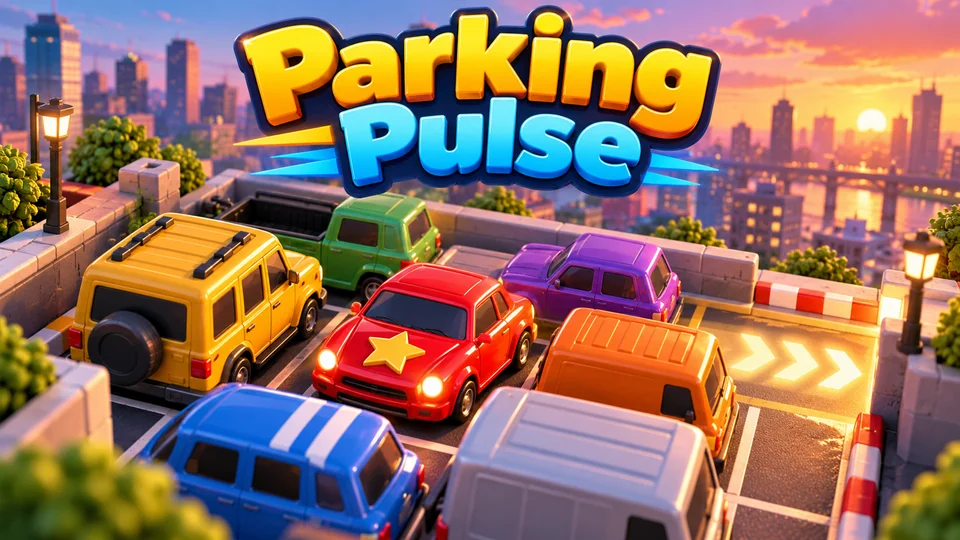
Slide toy vehicles in the right order to free the star car and clear jammed city lots.
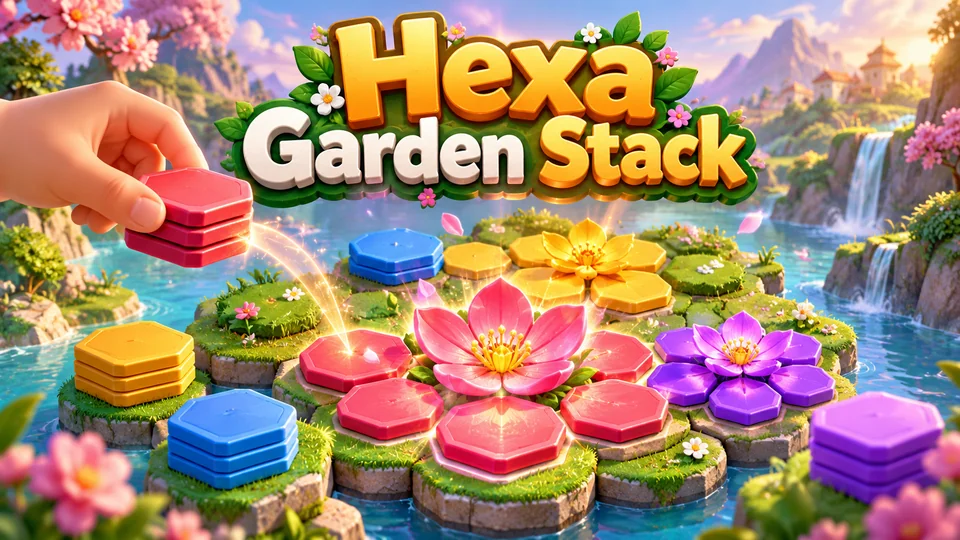
Place colored hex stacks so matching petals consolidate and bloom into complete flowers.
Pour layered liquids between tubes until each vessel contains a single formula or valid compound.
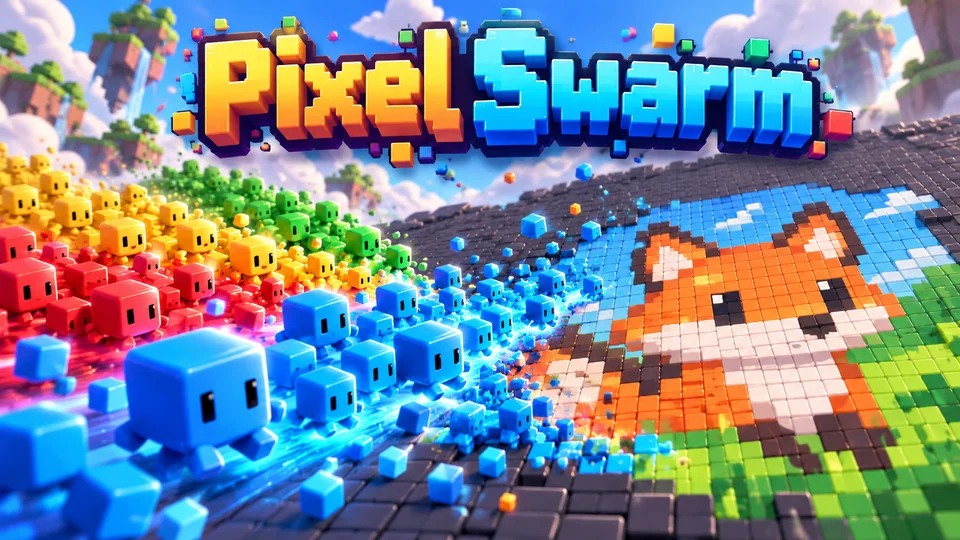
Dispatch matching swarms into colored regions so they consume pixels and reveal a hidden illustration.
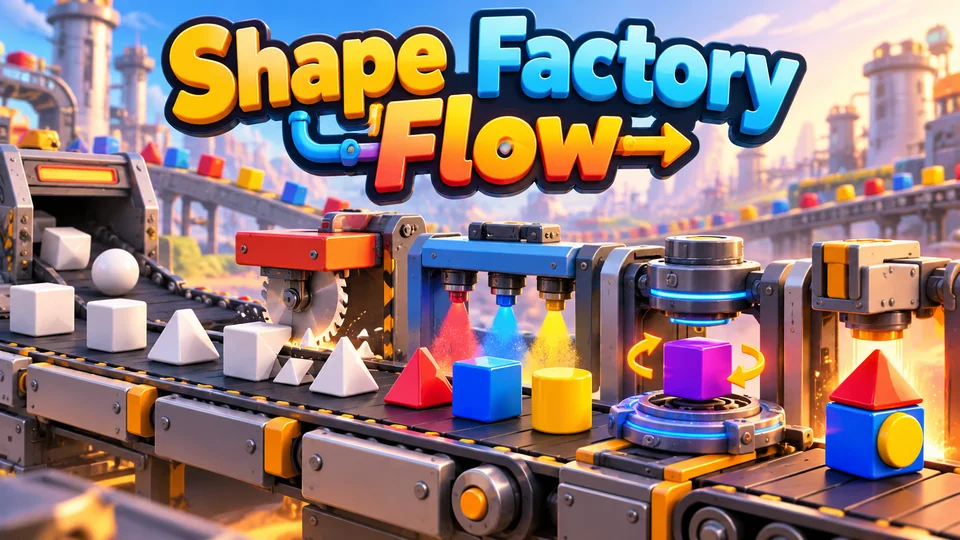
Build compact production lines that transform raw shapes into target products using cutters, painters, rotators and combiners.
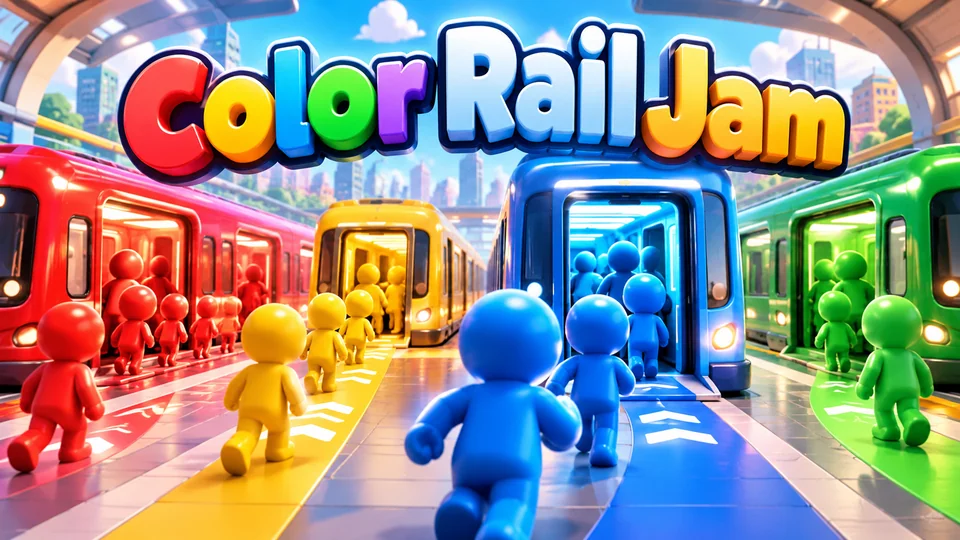
Board colourful commuters onto matching metro trains without letting the platform overflow.
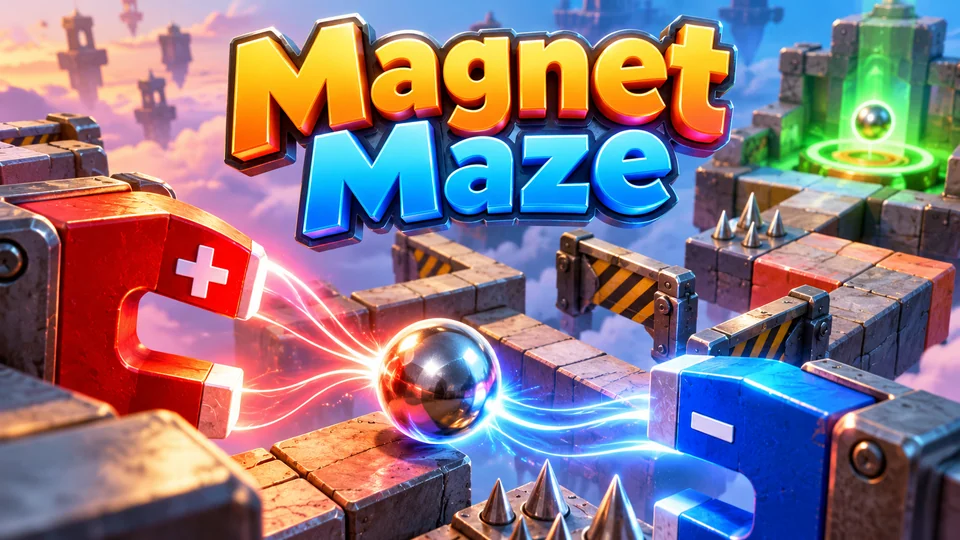
Manipulate magnets and polarity to guide metal objects through obstacles to goal zones.
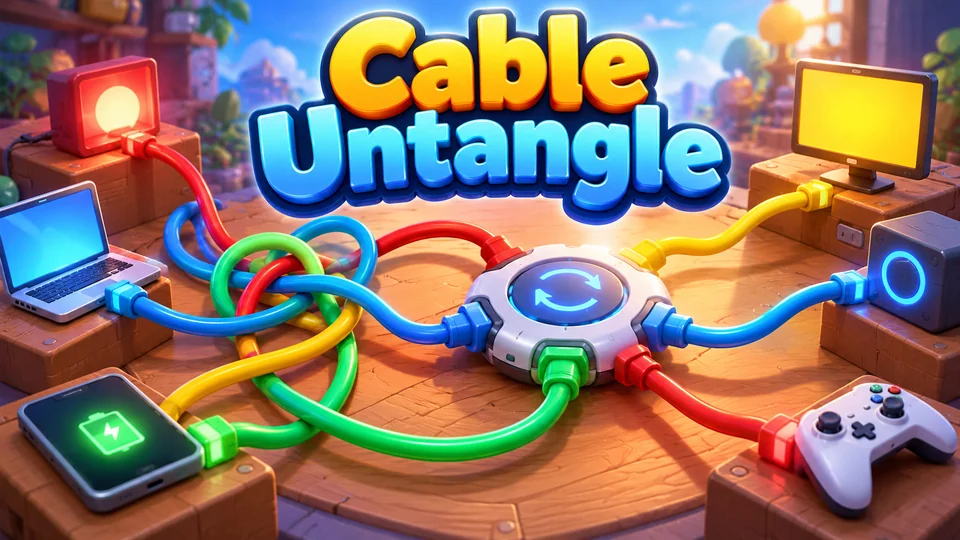
Reposition plugs and rotate hubs until cables no longer cross while all devices remain correctly connected.
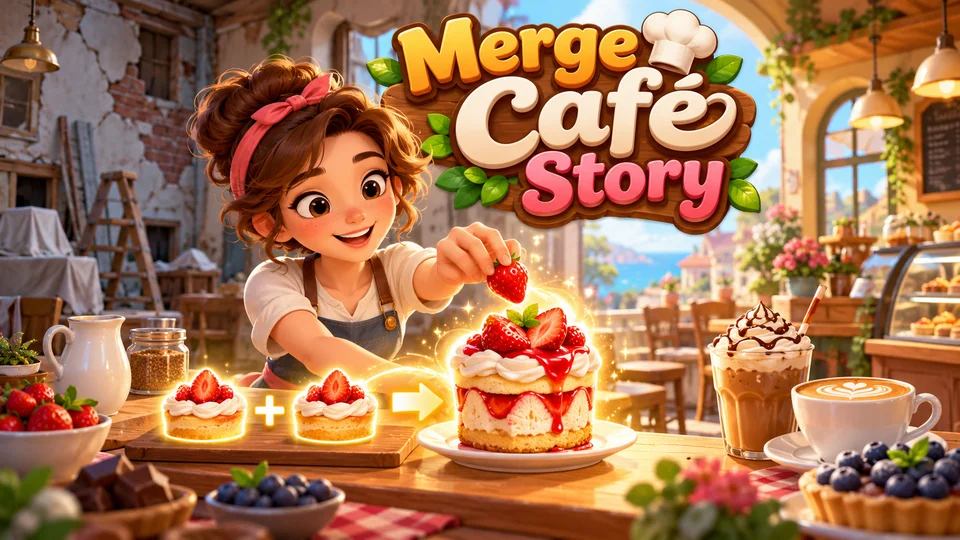
Merge ingredients into drinks and desserts, fulfill customer orders and restore a rundown café.
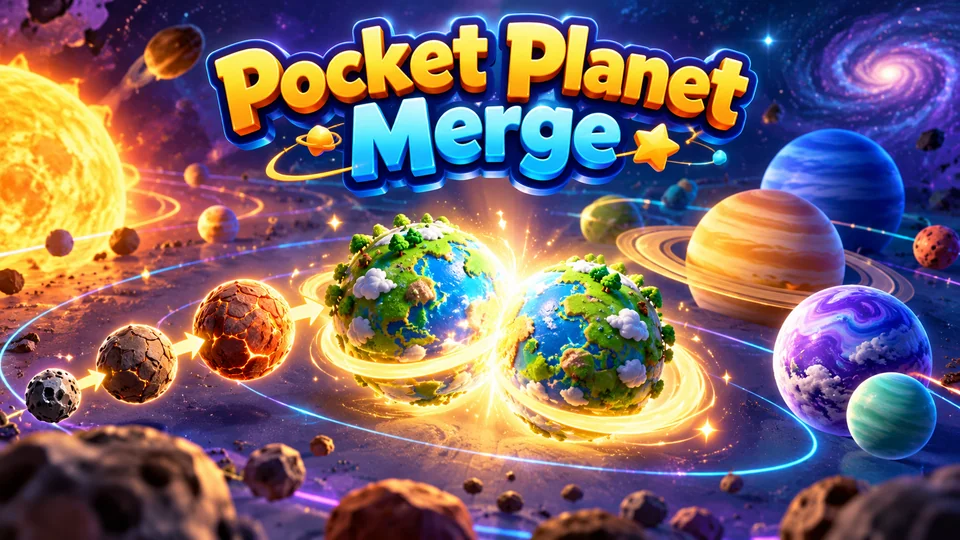
Merge celestial bodies from rocks to exotic planets and build a living miniature solar system.
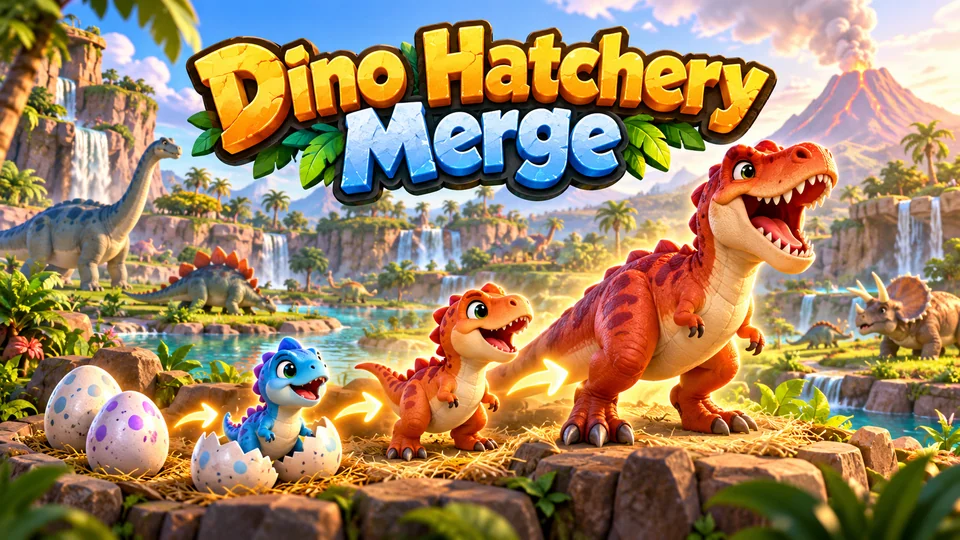
Merge eggs and juveniles into increasingly rare dinosaurs, then watch them populate habitats.
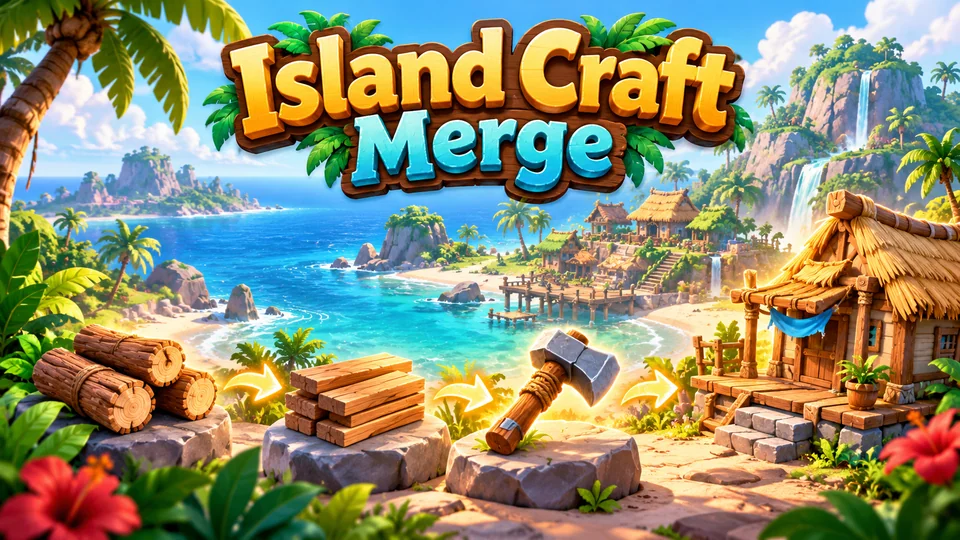
Merge raw materials into tools and structures to restore an abandoned tropical island.
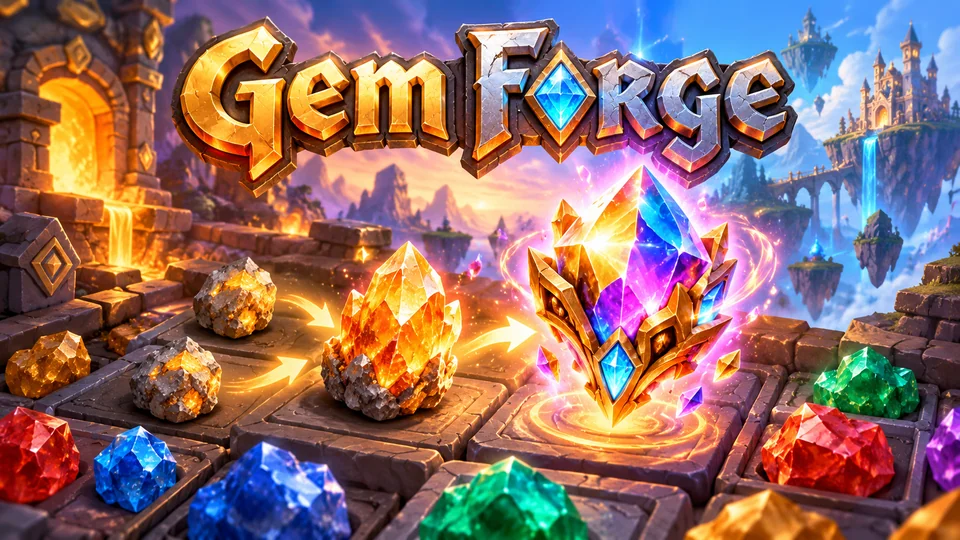
Merge minerals into crystals, gemstones and magical artifacts that alter board behavior.
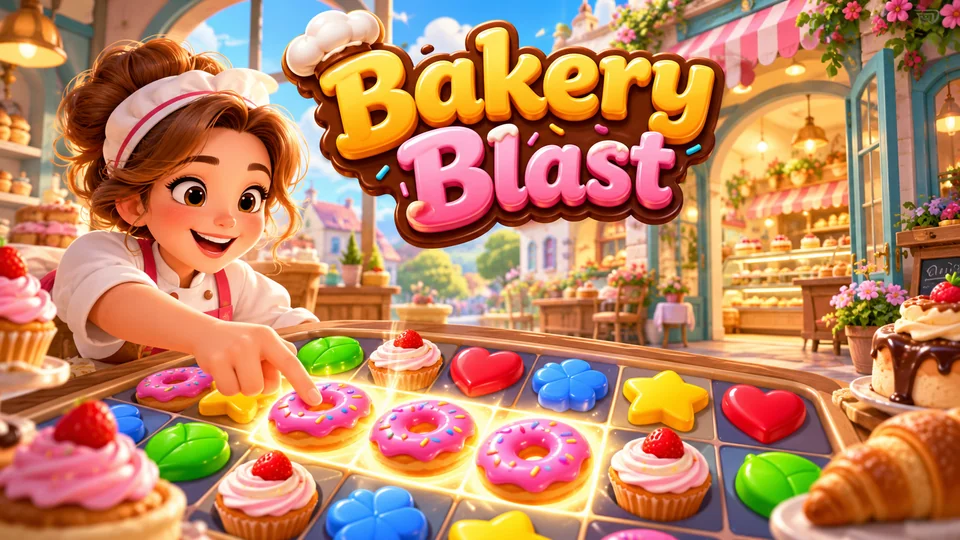
Complete fast matching boards to earn resources used to design and expand themed bakeries.
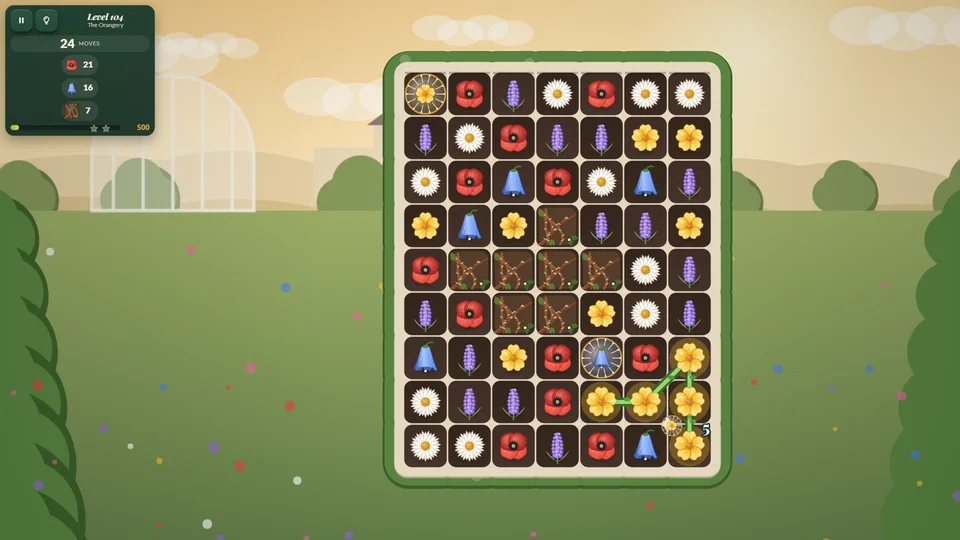
Complete flower-matching boards to restore an overgrown estate and unlock garden areas.
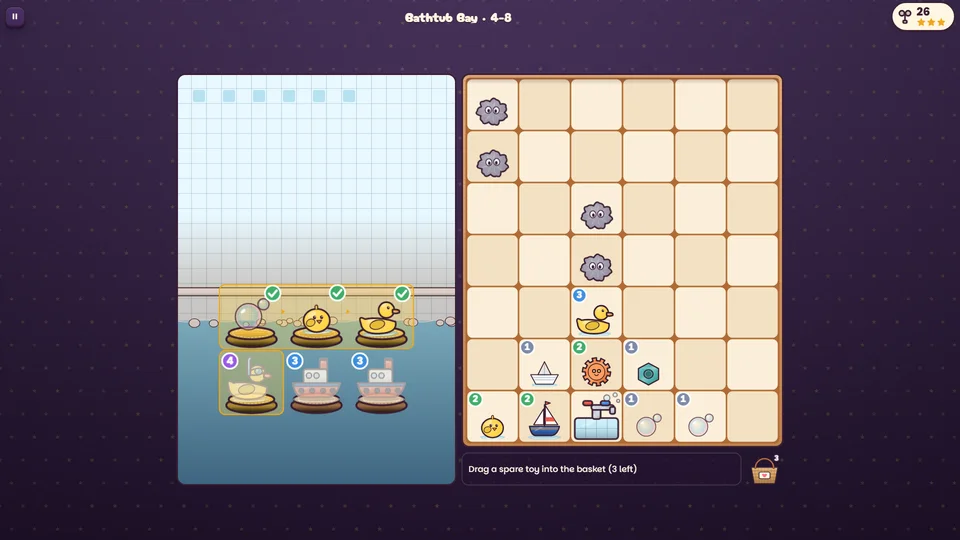
Merge toys into higher-tier creations and unlock animated toy worlds.
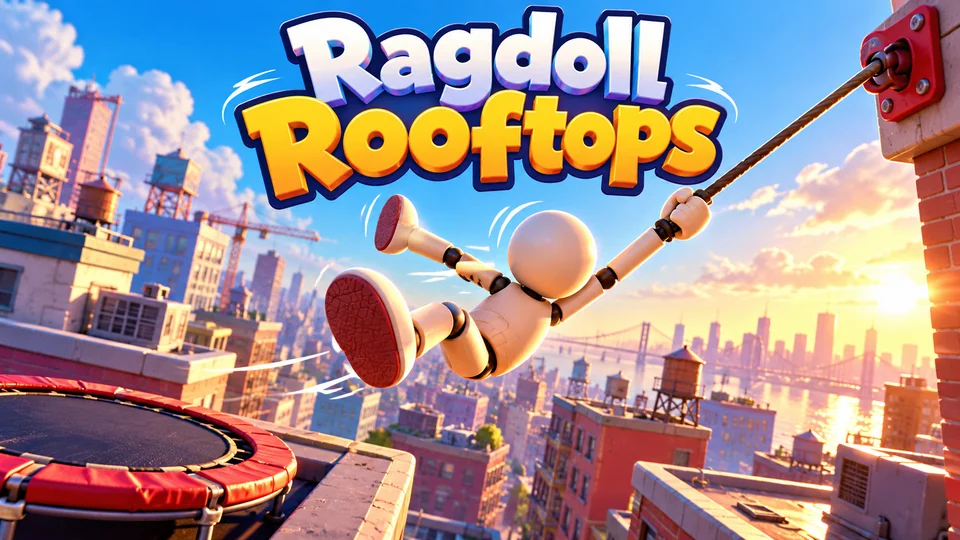
Launch and swing a floppy ragdoll across rooftops, grabbing anchors, bouncing on trampolines and flipping for style to travel as far as possible.
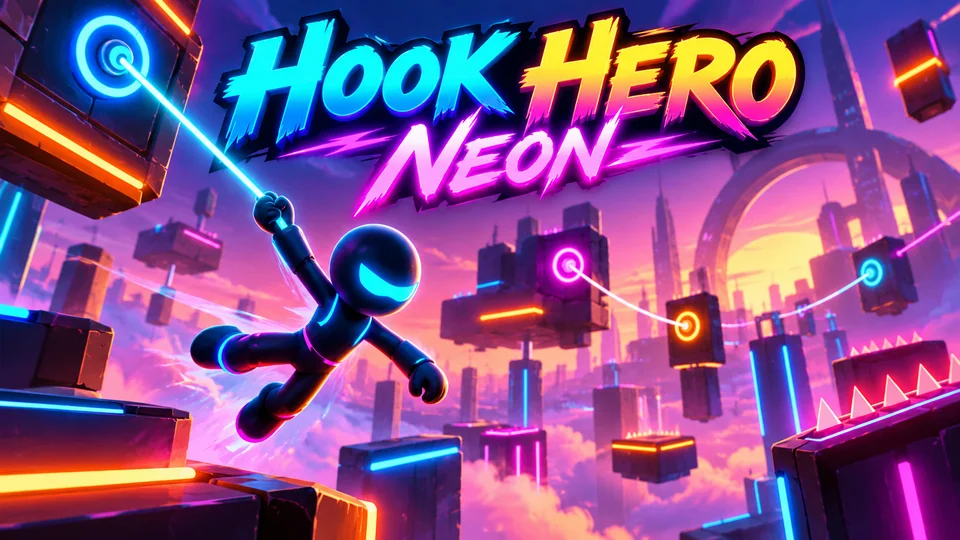
Tap and hold to grapple neon anchors, swing, release and chain momentum through glowing obstacle courses.
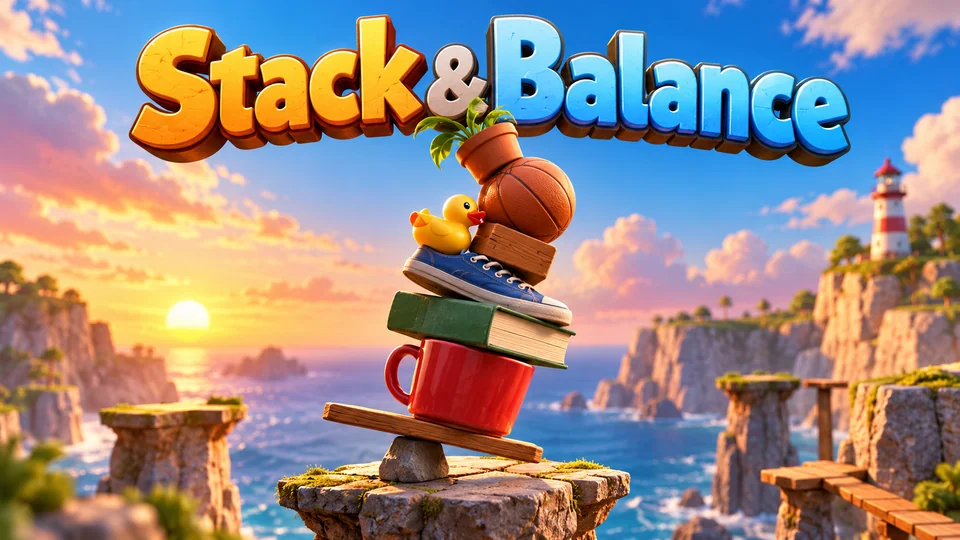
Stack irregular everyday objects on constrained platforms without collapsing the structure.
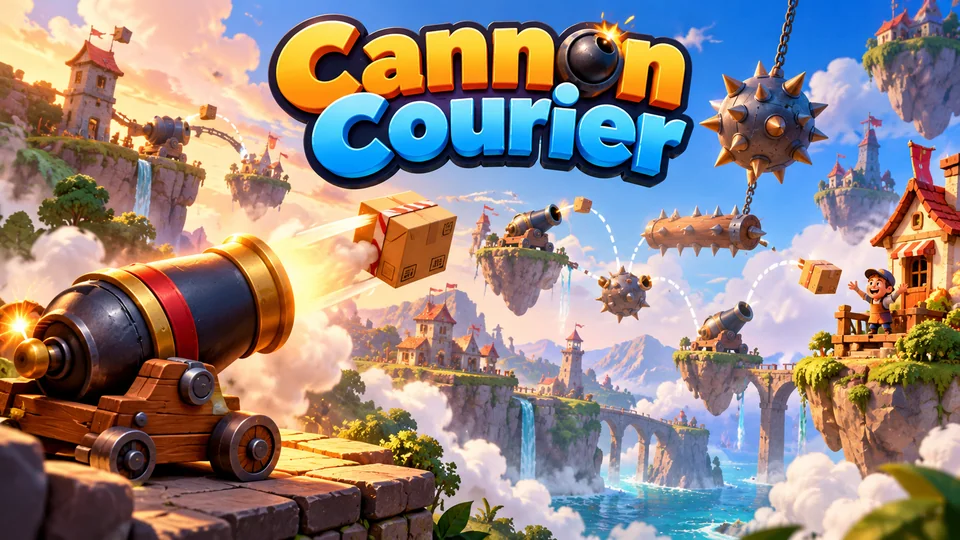
Fire parcels from cannon to cannon through moving hazards until every delivery reaches its customer.
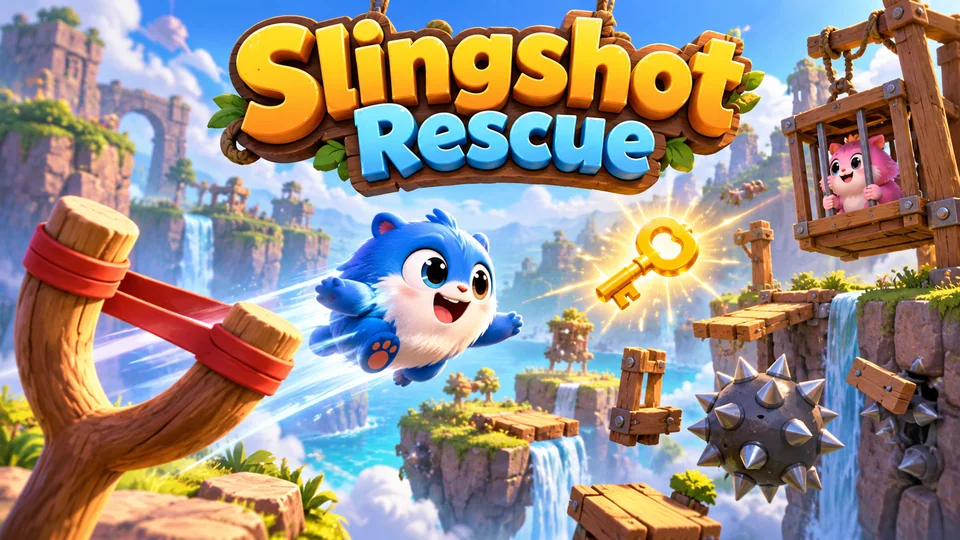
Launch cute rescue creatures through obstacle courses to collect keys and free trapped friends.
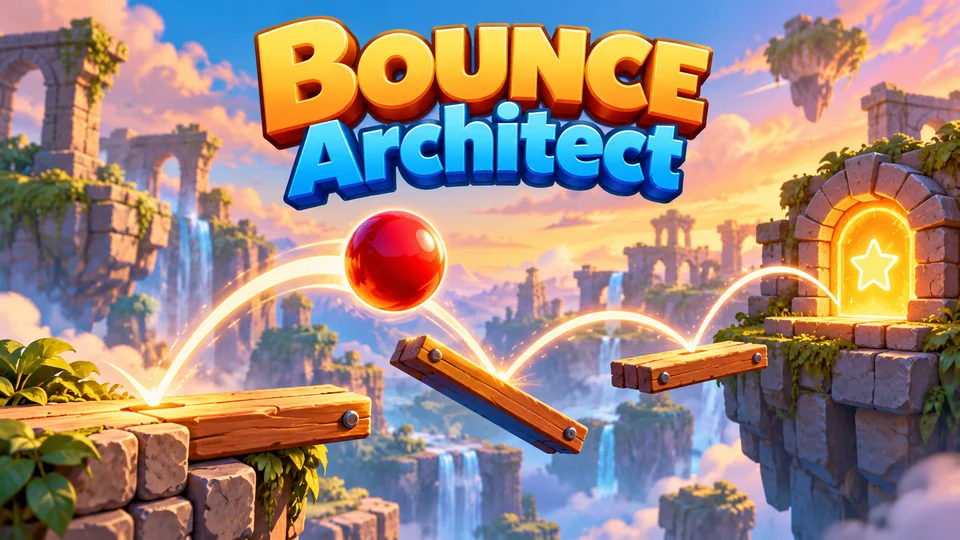
Draw a limited number of platforms that redirect a continuously bouncing ball to the exit.
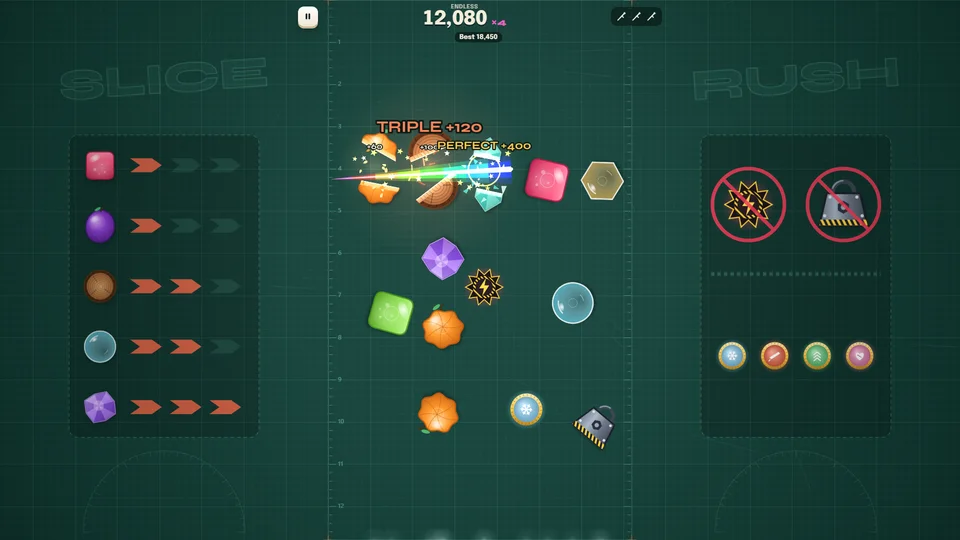
Swipe-slicing arcade: cut jelly, fruit, wood, glass and crystal clean, chain perfect cuts, never touch a spark core.
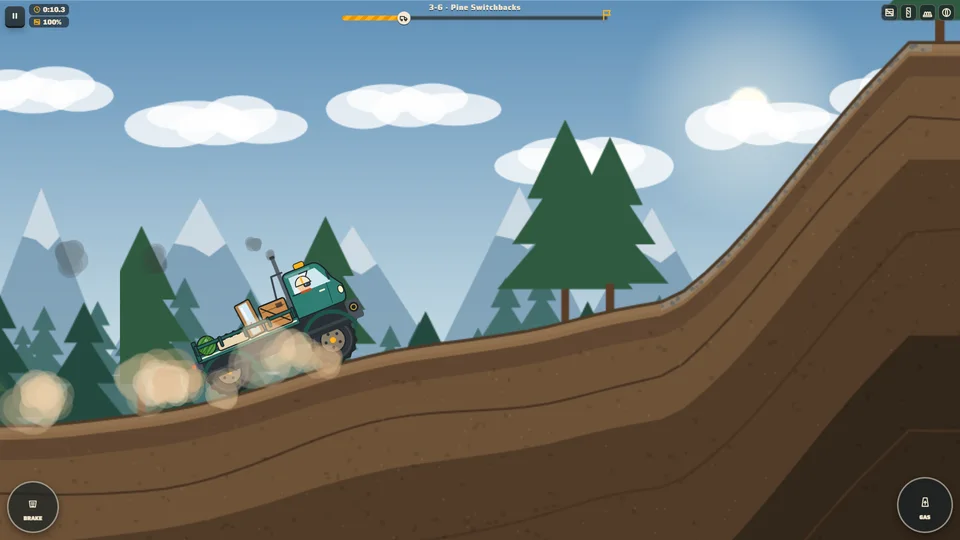
Transport fragile cargo across rough terrain without tipping the vehicle or losing the load.
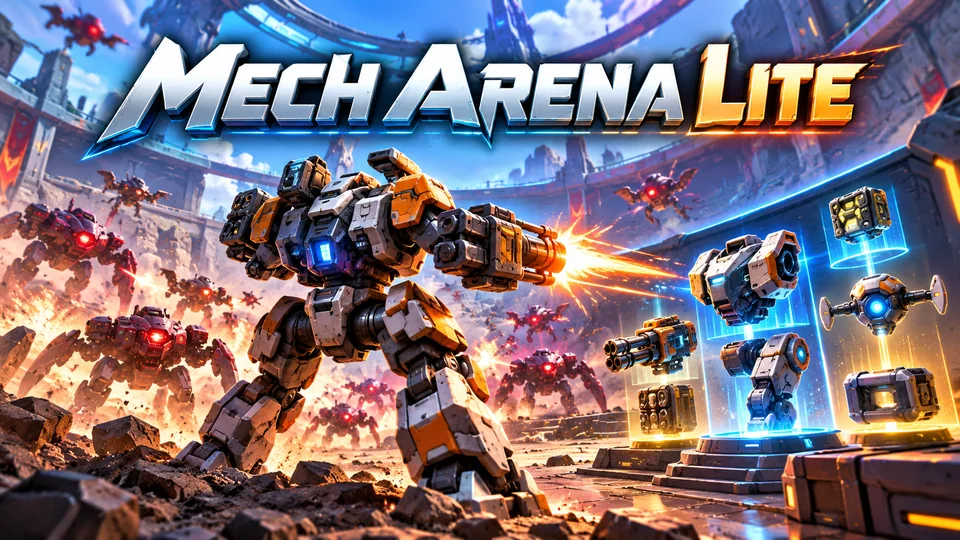
Fight waves with a modular mech, then choose components that alter weapons, chassis behavior and support drones.
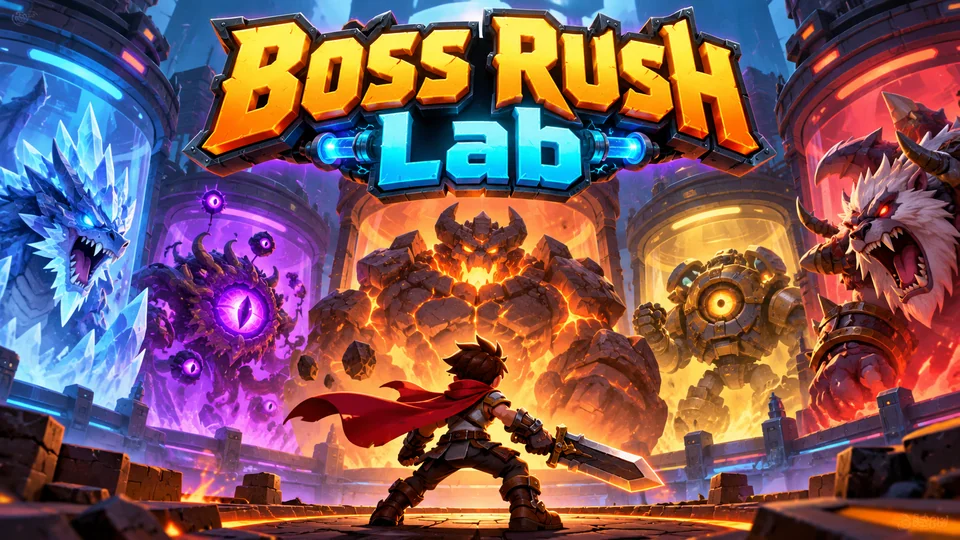
Fight a sequence of unique bosses with no filler levels; each victory grants a modifier that changes later fights.
Optimize passenger flow through check-in, security, baggage, gates and aircraft turnaround.
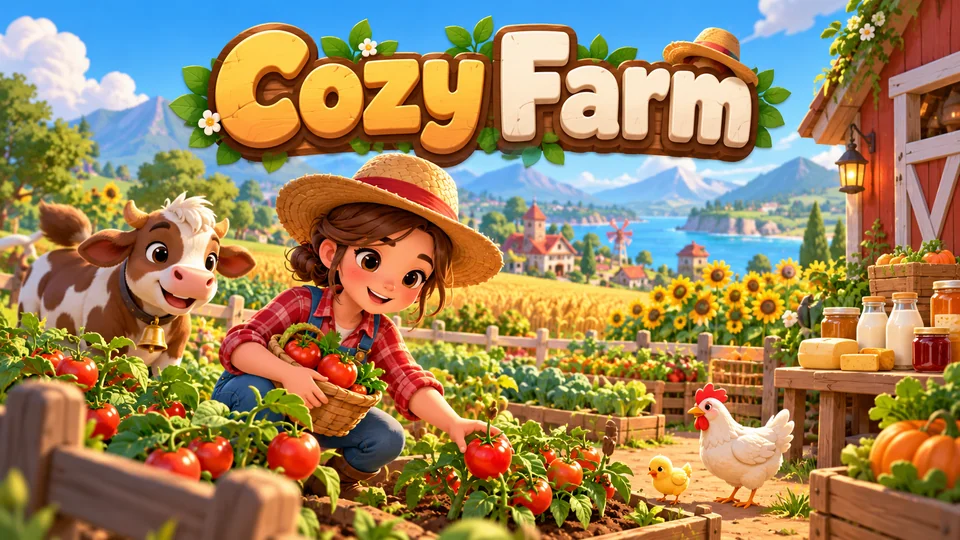
Plant, harvest, process and sell products while gradually transforming a small plot into a charming farm.
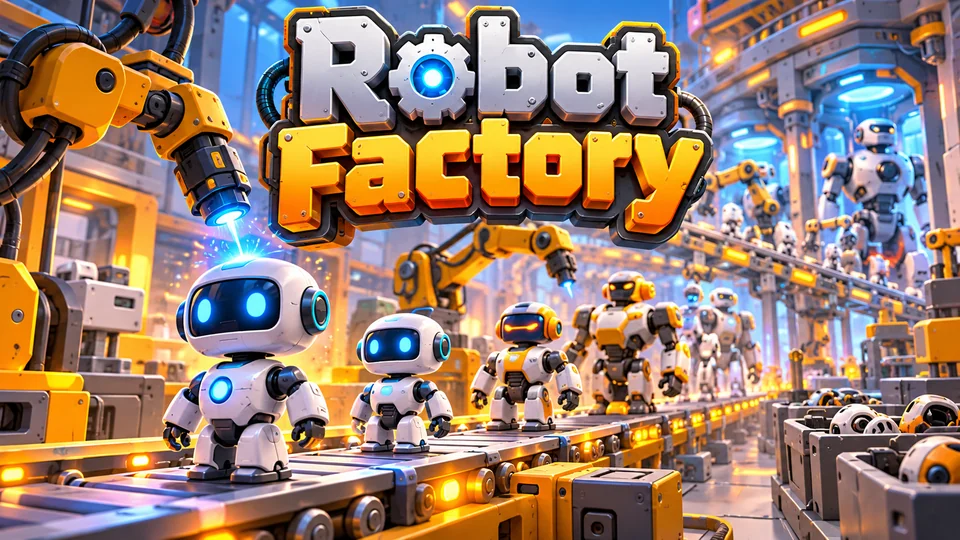
Place and upgrade machines that manufacture increasingly advanced robots along production lines.
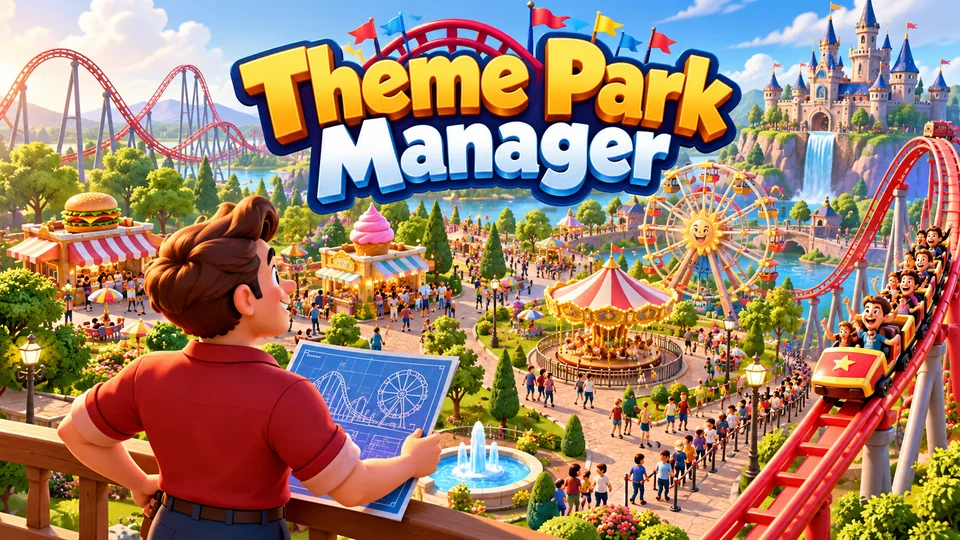
Build rides, food stalls and pathways while balancing guest happiness, queues and capacity.
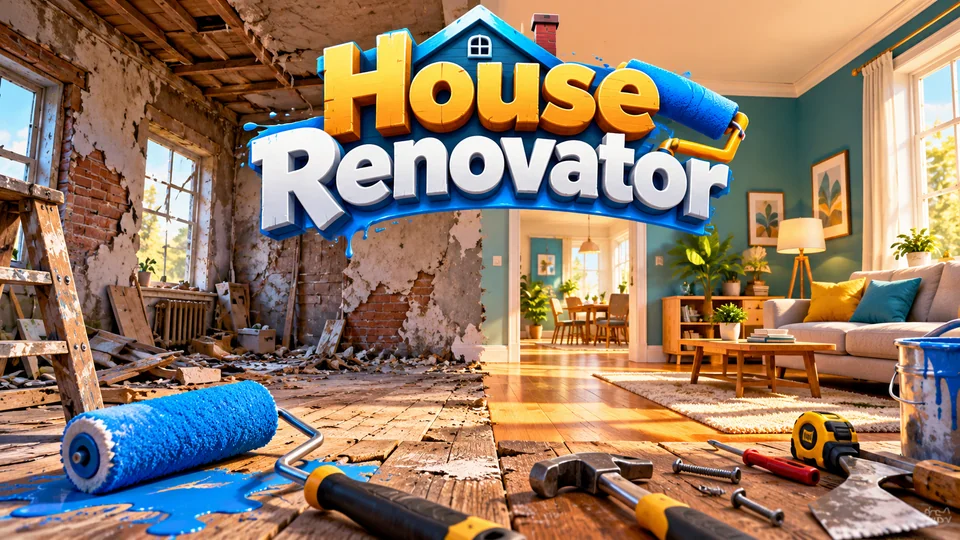
Clean, repair, paint and decorate damaged rooms until each home is transformed.
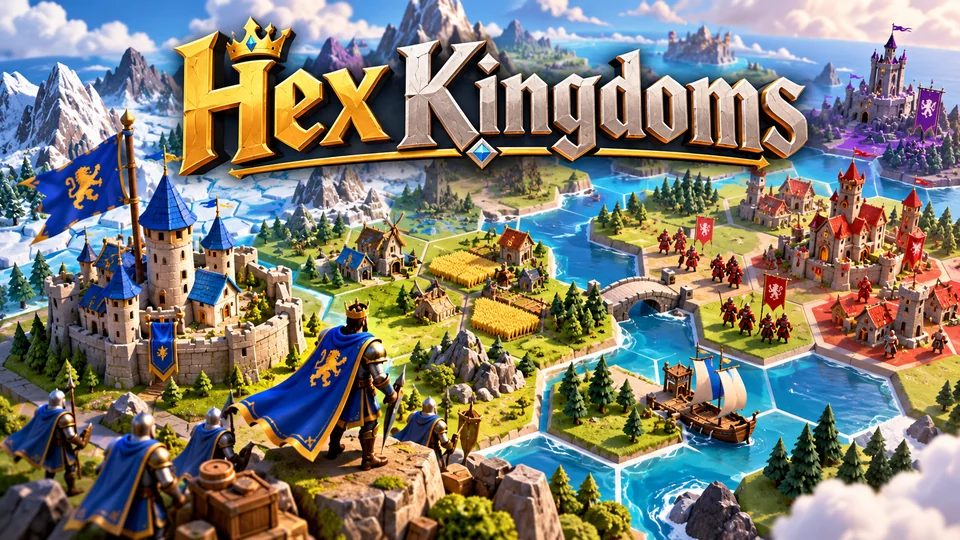
Expand across a compact hex map, gather resources, capture towns and outmaneuver AI kingdoms.
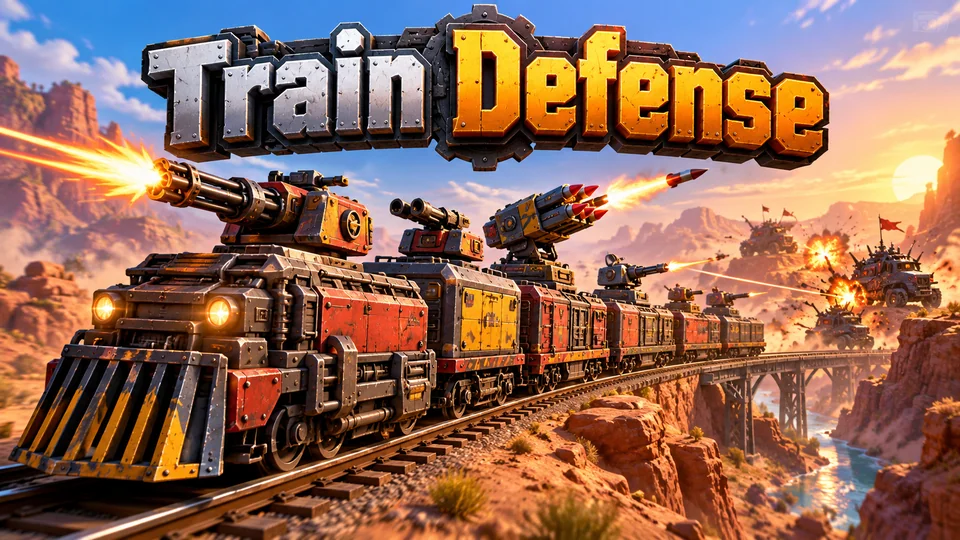
Mount and rearrange weapons on train carriages while crossing enemy territory.
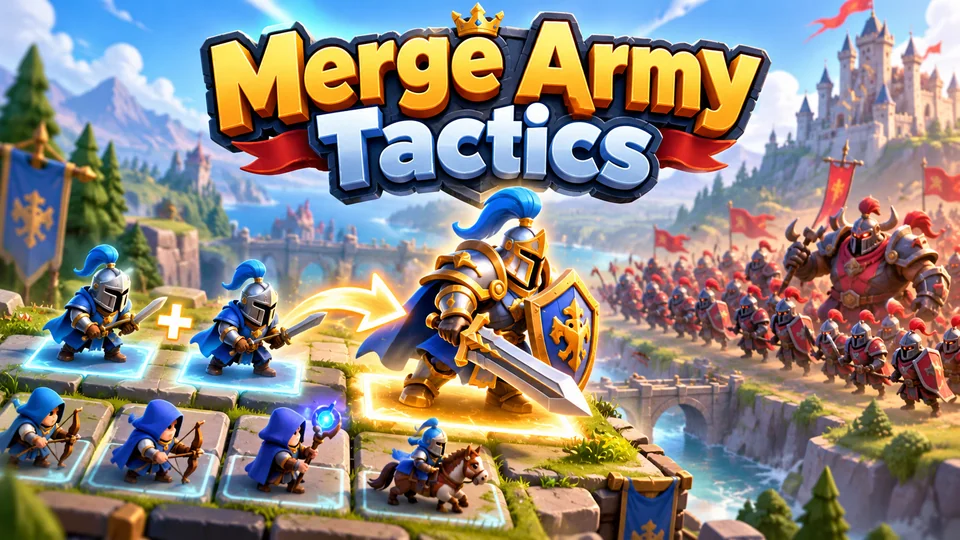
Merge identical units into stronger versions and arrange your formation before an automatic battle.
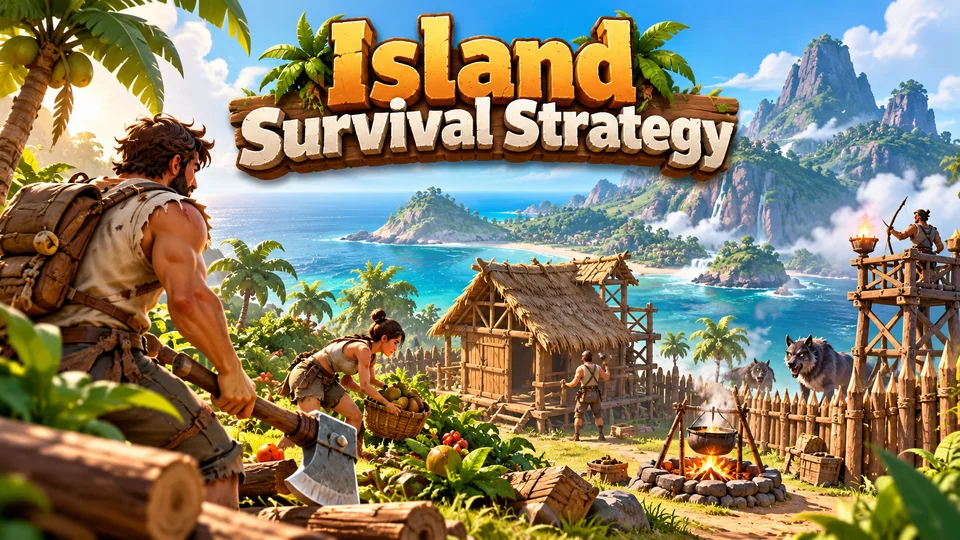
Assign a small group of survivors to gather food, build shelter, explore and defend an island.
Every 2D game we sell, 41 in all, is built on Phaser 4.2.1 and written in TypeScript. Each one is a complete project rather than a code sample: Vite for builds, pnpm for packages, Vitest unit tests, Playwright end-to-end tests, and the shared platform packages the game uses. The genres run from sorting puzzles and merge games to tycoons, tower defense and survivor shooters.
| Genre | Phaser games | Examples |
|---|---|---|
| Puzzle | 14 | Liquid Lab, Arrow Grid Escape, Bounce Architect |
| Simulation | 8 | Cozy Farm, Theme Park Manager, Airport Flow |
| Strategy | 6 | Pocket Tower Defense, Hex Kingdoms, Card Combo Rogue |
| Action | 6 | Neon Survivor, Mech Arena Lite, Hook Hero Neon |
| Merge | 5 | Gem Forge, Pocket Planet Merge, Dino Hatchery Merge |
| Other genres | 2 | Color Rail Jam, Stack & Balance |
The ZIP for each game has the same shape, so once you know one, you know them all:
README.md                quick start: install, build, test, deploy
THIRD_PARTY_NOTICES.md   open-source libraries and fonts, with licenses
SOURCE_MANIFEST.json     every file with its SHA-256
package.json
pnpm-lock.yaml
games/<id>/
  src/                   the game's TypeScript code
  data/                  JSON tuning: levels, waves, costs, economy
  public/                static files served as-is
  tests/                 unit and end-to-end tests
  README.md
  ASSETS.md              where every asset comes from
packages/                shared code the game uses
The shared packages cover the parts every game needs: game shell, input, audio, save, localization, UI, achievements, math utilities and analytics hooks. Because they ship inside the ZIP and the lockfile pins every dependency, the project installs and builds without access to our repository. Before a game goes on sale, its ZIP is unpacked on its own and must install, build, typecheck and pass its tests. The quick start shows the commands.
Phaser is an open-source, MIT-licensed 2D framework with a scale manager, touch, mouse, keyboard and gamepad input, tweens, particles and two physics systems built in, plus TypeScript definitions. Phaser 4 replaced the WebGL pipeline system of Phaser 3 with a new renderer made of render nodes, each responsible for one rendering task. FX and masks were merged into a single Filters system that works on any game object or camera. The Canvas renderer still exists but is deprecated. The Phaser documentation and the Phaser repository on GitHub have the details, as of October 2026.
These are Phaser 4 projects. We don't claim they run on Phaser 3, and we don't sell Phaser 3 versions. If your team maintains a Phaser 3 codebase, expect changes when moving code in either direction, mostly in rendering:
BitmapMask became Filters, with internal and external filter lists.setTintFill became setTint() with setTintMode(FILL), and there are new tint modes.Point gave way to Vector2, and the value of Math.TAU changed.Mesh and Plane game objects were removed, and custom WebGL pipelines must be rewritten as render nodes.Game rules, data files and tests carry over more easily than rendering code. Phaser's official migration notes list the breaking changes in full.
The official Phaser examples show one feature at a time, and Phaser's own project templates give you an empty, well-configured starting point. Our games sit at the other end: complete games with levels, menus, saves, translations and tests, which you can use as a template for your own release. If you are learning, start with our Phaser tutorial, then read a finished game's source to see how the pieces fit at scale.
No. They are written and tested against Phaser 4.2.1, and Phaser 4 changed APIs that game code commonly uses, such as tints, filters and masks. We only state compatibility with versions we have tested.
You can. The lockfile pins Phaser 4.2.1 because that is the version we tested. If you update it, run the game's unit and end-to-end tests afterwards and check the release notes for changes to the APIs the game uses.
Not for content and balance: levels, waves, costs and economy values are JSON data files. New mechanics, scenes or effects need TypeScript and some Phaser experience. The customization guide shows which changes need code.
Yes. Every game supports touch, mouse, keyboard and gamepad, and plays in portrait, landscape or both. Initial downloads for the Phaser games range from 500 to 750 KB. See mobile game source code for the specs that matter on phones.